
When it comes to pain, many people are quick to accept prescription medications like Vicodin or morphine—despite their well-documented risks—while remaining deeply skeptical of herbal medicine and plant-based alternatives.
This raises an important question: Why do we readily trust addictive pharmaceuticals for pain relief, yet hesitate to explore alternative pain management options that may carry fewer long-term risks?

Conventional painkillers are familiar. They’re prescribed in clinical settings, regulated, and backed by decades of use in modern medicine. That familiarity often creates trust—even when medications carry risks such as dependency, tolerance, withdrawal, and unwanted side effects.
Herbal medicine, by contrast, is frequently viewed as “unscientific” or ineffective, despite being used globally for thousands of years and forming the basis for many modern pharmaceuticals. The issue is not whether herbal medicine works, but how well it is understood, formulated, and guided.
Pain is complex and deeply individual. For people living with chronic pain, long-term reliance on opioid medications can introduce additional challenges, including reduced effectiveness over time and concerns about dependency.
As a result, many individuals are now seeking alternative pain management strategies—approaches that focus on supporting the body’s natural systems rather than masking symptoms alone.
This shift has renewed interest in plant-based and integrative approaches, including herbal medicine and cannabinoids.
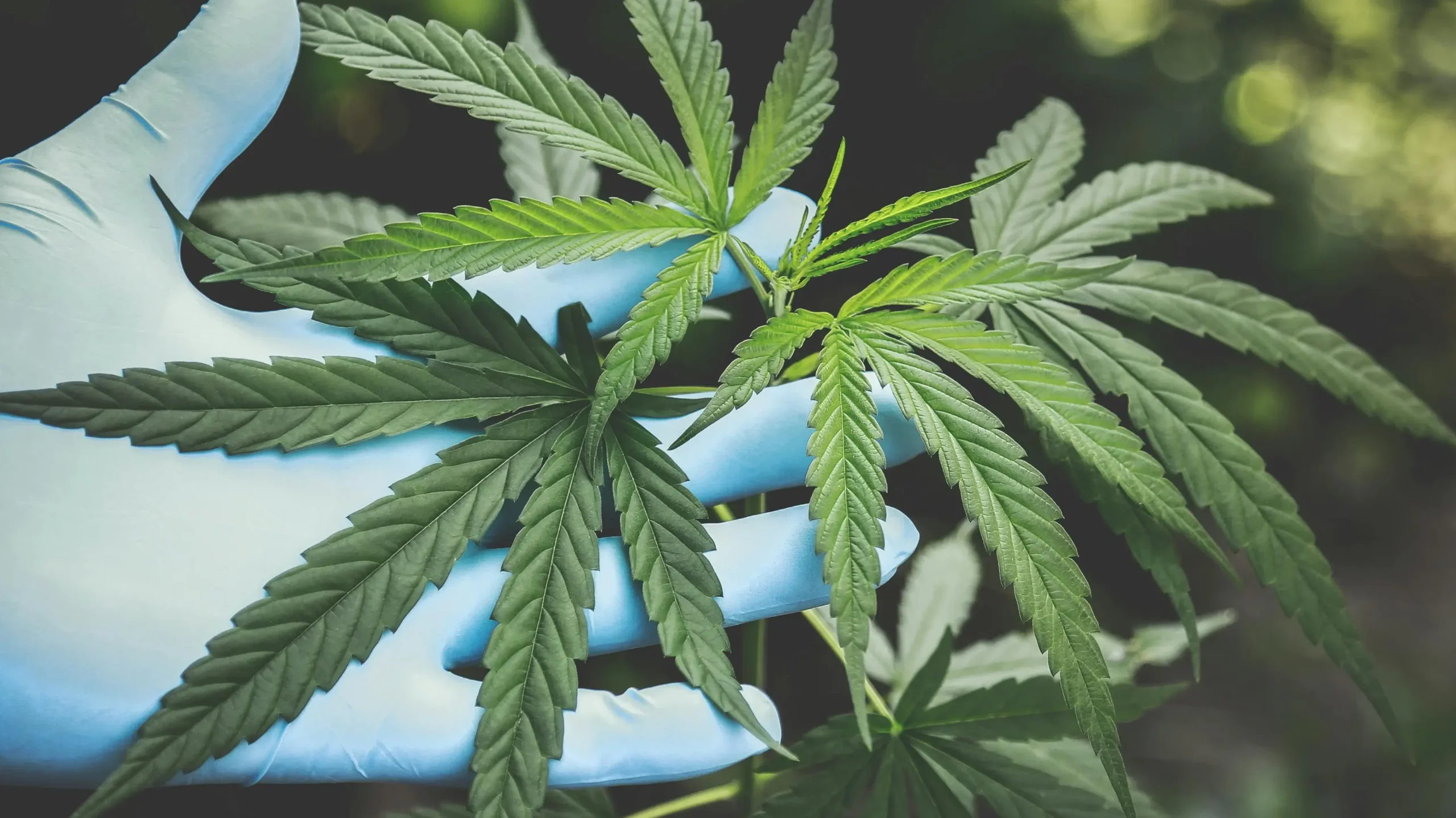
Among the most discussed plant-derived compounds in alternative pain management are CBD (cannabidiol) and THC (tetrahydrocannabinol), both of which interact with the body’s endocannabinoid system—a network involved in pain signaling, inflammation, mood, and stress response.
Importantly, the potential therapeutic benefits of CBD and THC depend heavily on dosage, formulation, individual sensitivity, and professional guidance. These compounds are not a cure and are not appropriate for everyone—but when thoughtfully formulated, they may serve as part of a broader, personalized pain-support strategy.
Herbal medicine is not about rejecting modern healthcare. It’s about expanding the conversation around pain management to include natural, plant-based options that may align better with long-term wellness goals for some individuals.
The skepticism around herbal medicine often stems from:
When these issues are addressed—through pharmacist-guided formulation, quality control, and individualized consultation—herbal medicine becomes a more credible and thoughtful option within alternative pain management.
The real question isn’t whether pharmaceutical painkillers or herbal medicine are “better.” It’s why we often accept the risks of addictive medications without hesitation, while holding plant-based alternatives to a higher standard.
Pain management should not be one-size-fits-all. For some, exploring alternative pain management solutions, including herbal formulations and cannabinoid-based support, may be worth a conversation—especially when concerns about dependency, side effects, or long-term use are present.
At Hempeutics, alternative pain management is approached through education, pharmacology, and personalization—not promises or replacements for prescribed care. The goal is to help individuals understand their options and make informed decisions with professional guidance.
If you’re curious about exploring a personalized, plant-based approach to pain support, you can start by filling out the intake form at Hempeutics.com to schedule a consultation.
This content is for educational purposes only and is not intended to diagnose, treat, cure, or prevent any disease. Always consult with a qualified healthcare provider regarding medical decisions.