If your anxiety feels manageable during the day but ramps up at night, you’re not alone. Many people experience increased worry, restlessness, or racing thoughts in the evening—often right when they’re trying to sleep.
The good news? Nighttime anxiety is often linked to predictable biological and behavioral factors, and there are supportive steps you can take to help calm your system and promote more restful sleep.
Cortisol Rhythm Disruptions
Cortisol, your body’s stress hormone, follows a daily rhythm. In people under chronic stress, cortisol levels can rise in the evening instead of falling—making it harder to relax and fall asleep.
Mental Overload When Things Get Quiet
When daytime distractions fade, unresolved thoughts and worries tend to surface. Without intentional wind-down habits, the nervous system can stay stuck in “alert mode.”
Evening Stimulation
Watching the news, scrolling social media, or prolonged screen use before bed can overstimulate the brain. Blue light exposure may also interfere with melatonin, the hormone responsible for sleep.
Small changes can have a meaningful impact when practiced consistently:
Limit News and Stressful Content Before Bed
Emotionally charged information keeps your nervous system activated. Consider avoiding news or intense content at least one hour before sleep.
Reduce Screen Time 30–60 Minutes Before Bed
Giving your brain a break from screens allows melatonin production to rise naturally and supports a smoother transition into sleep.
Create a Consistent Wind-Down Routine
Gentle stretching, breathing exercises, reading, or calming music can signal safety and relaxation to the body.
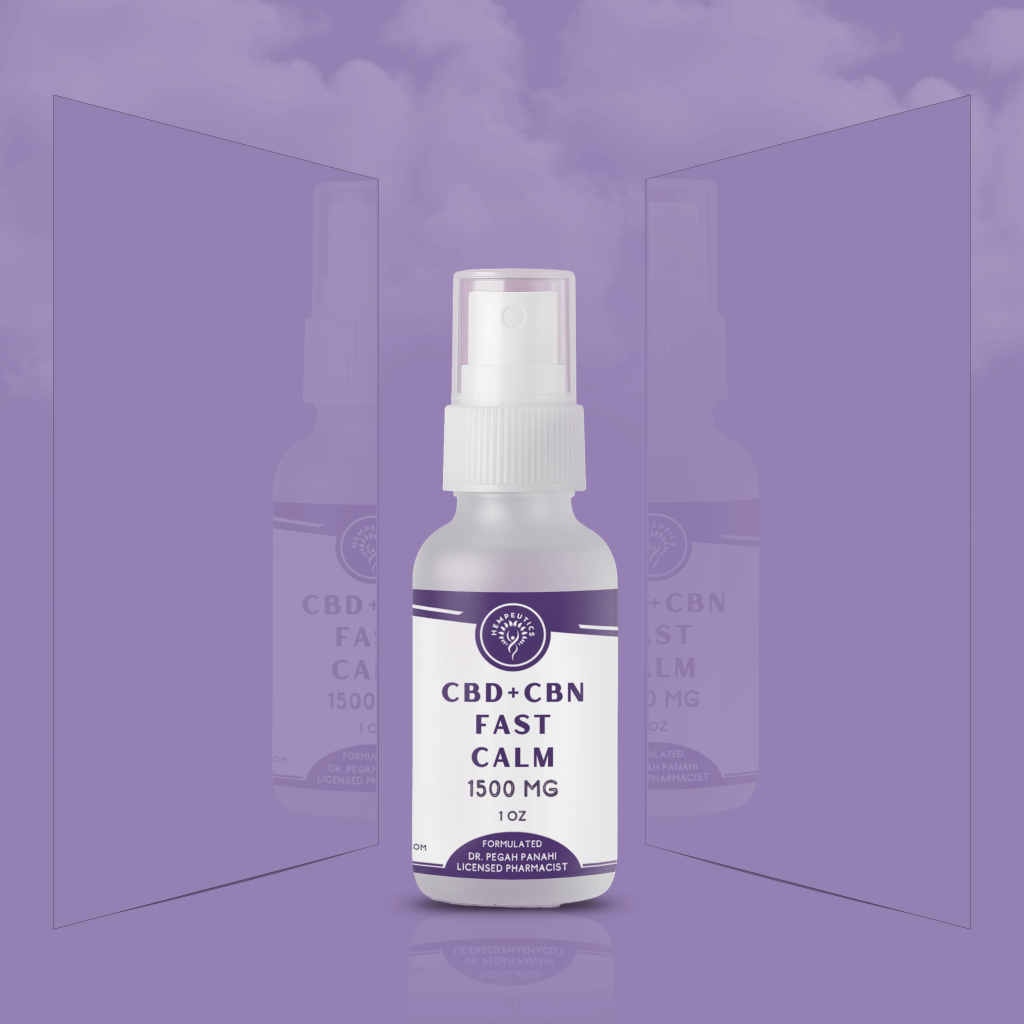
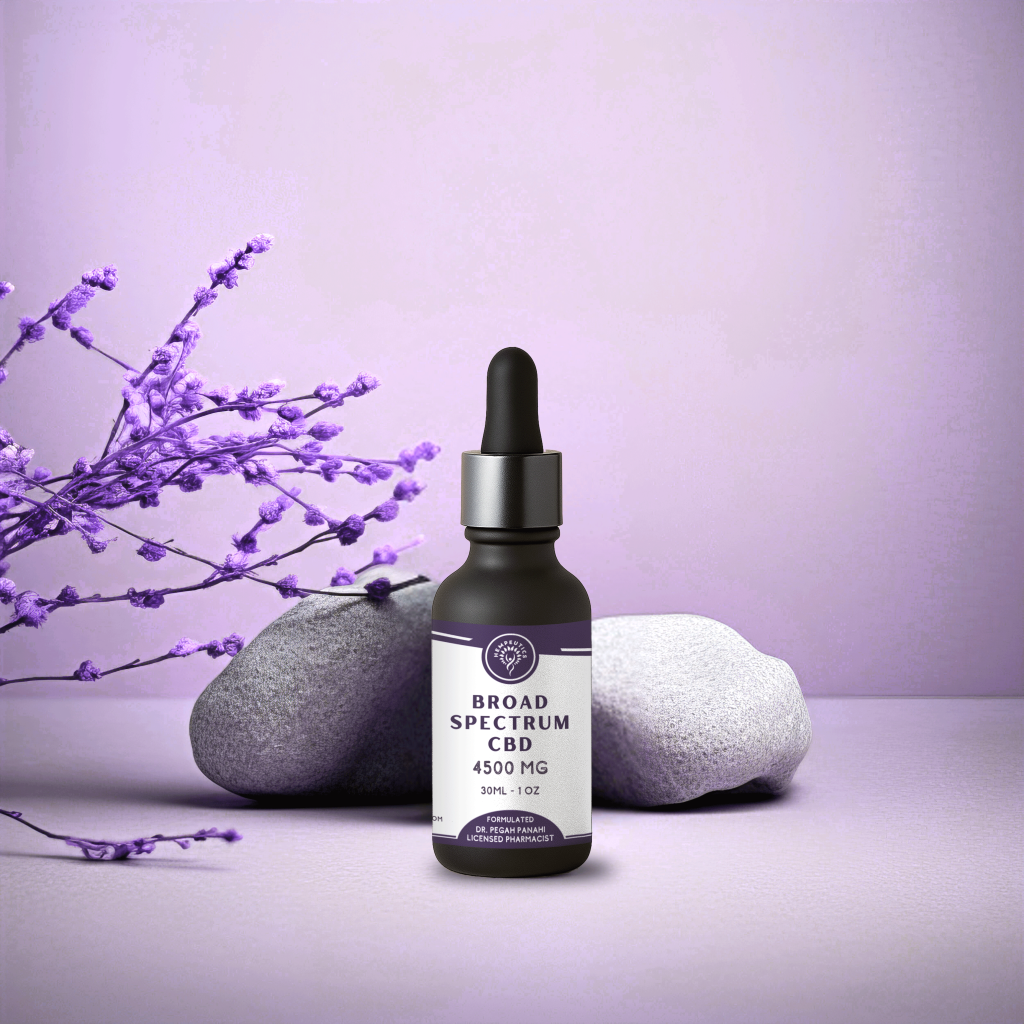
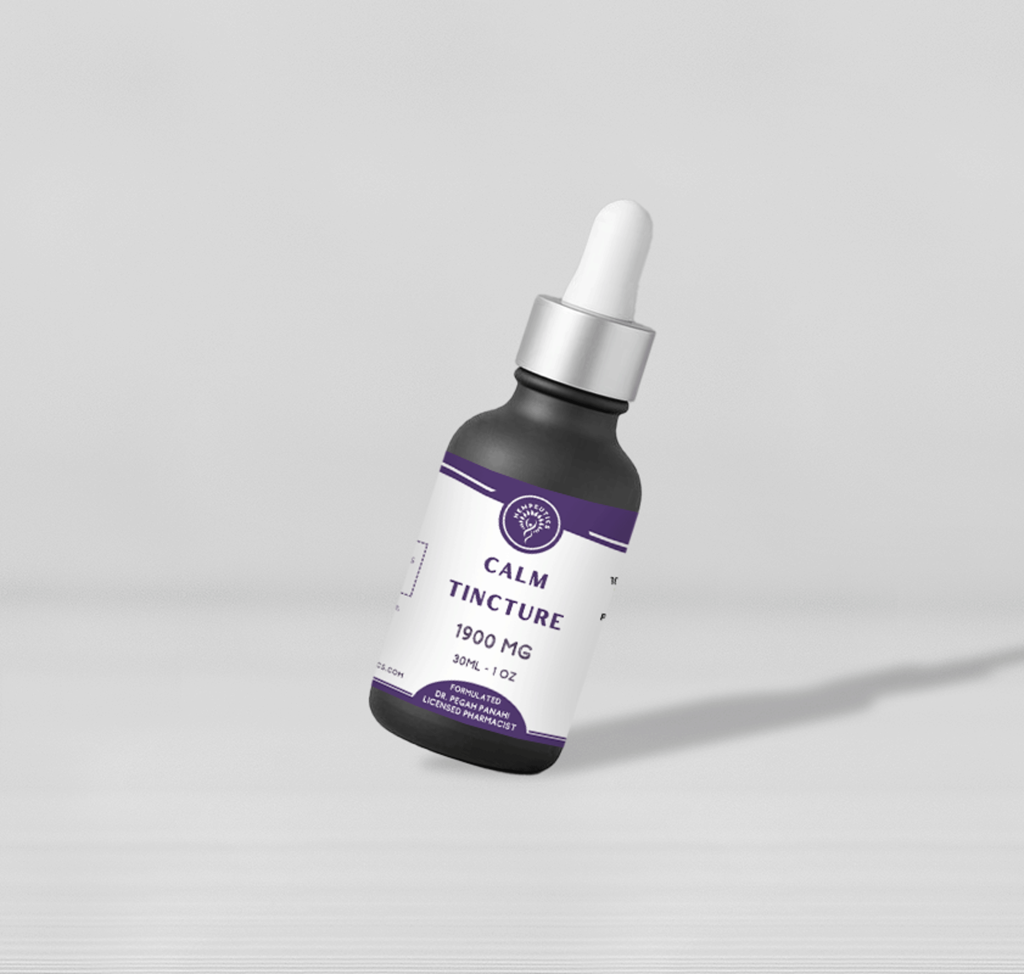
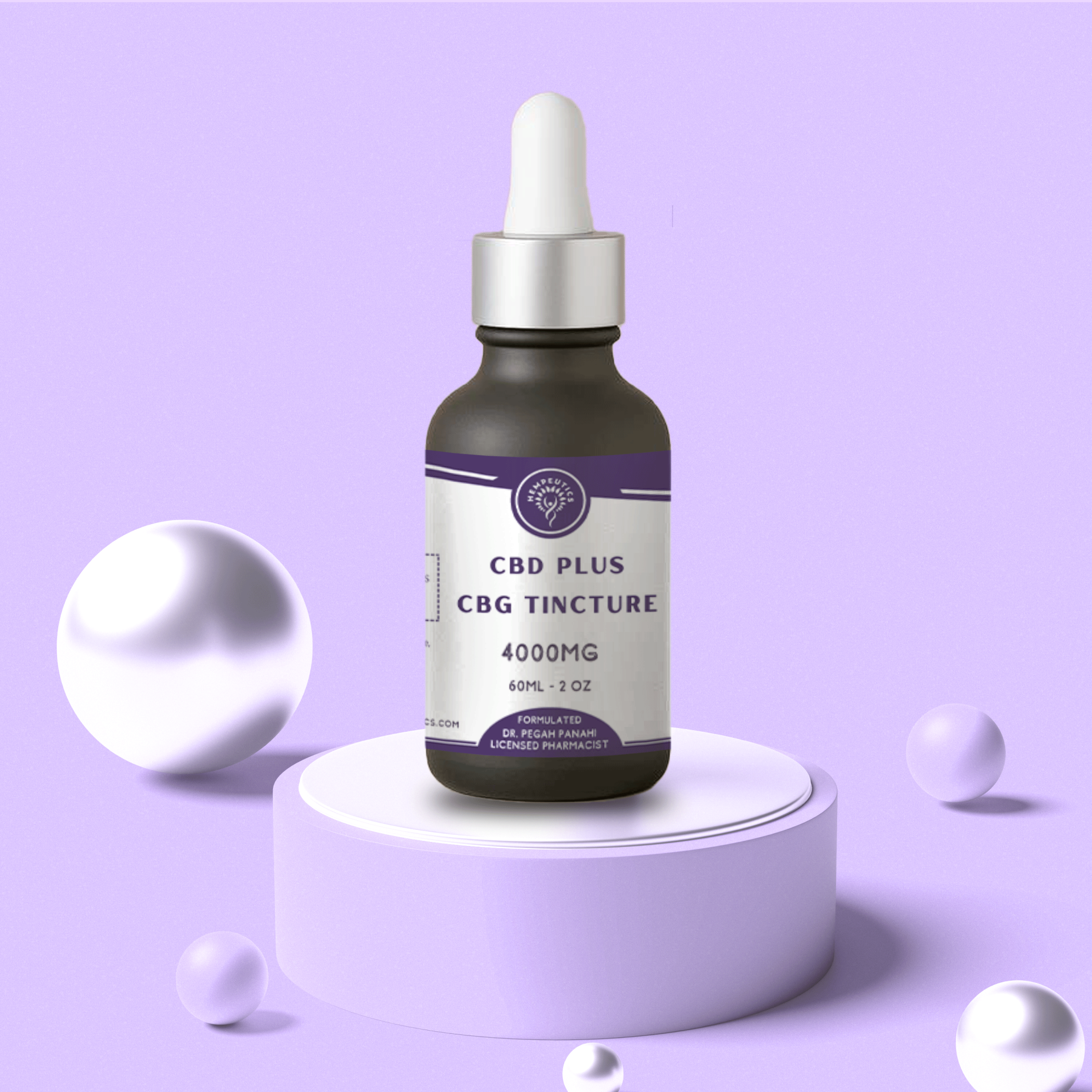
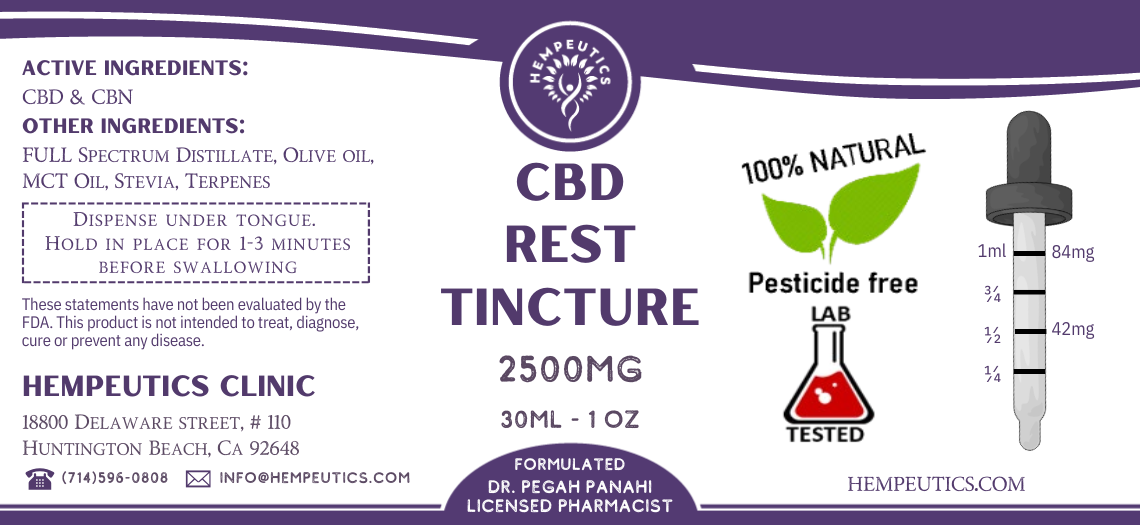
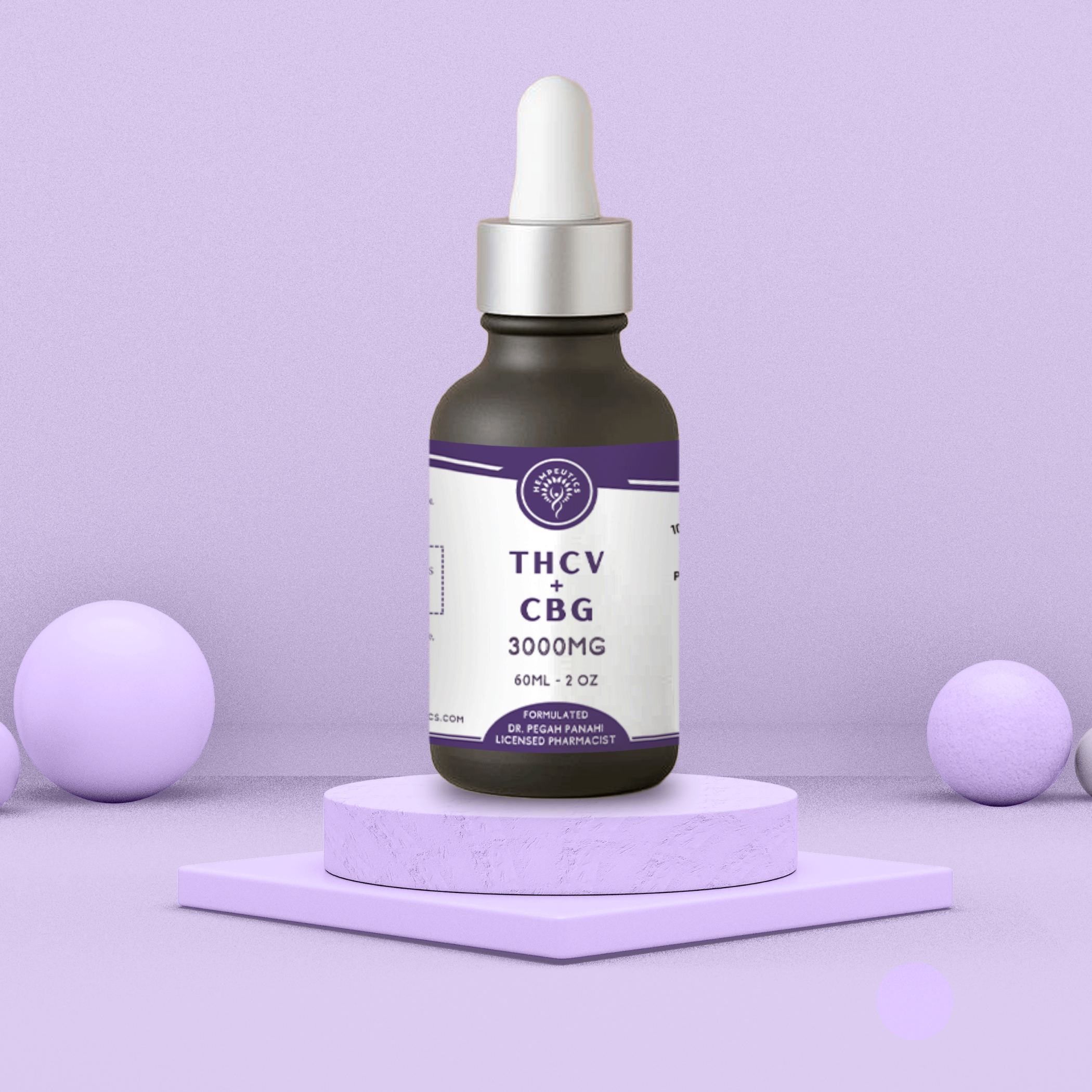
For some individuals, CBD may help support relaxation, calm the nervous system, and promote more restful sleep when used as part of a thoughtful nighttime routine.
CBD interacts with the body’s endocannabinoid system, which plays a role in regulating stress response, mood, and sleep cycles. When taken before cortisol levels rise in the evening, CBD may help support a smoother transition into rest.
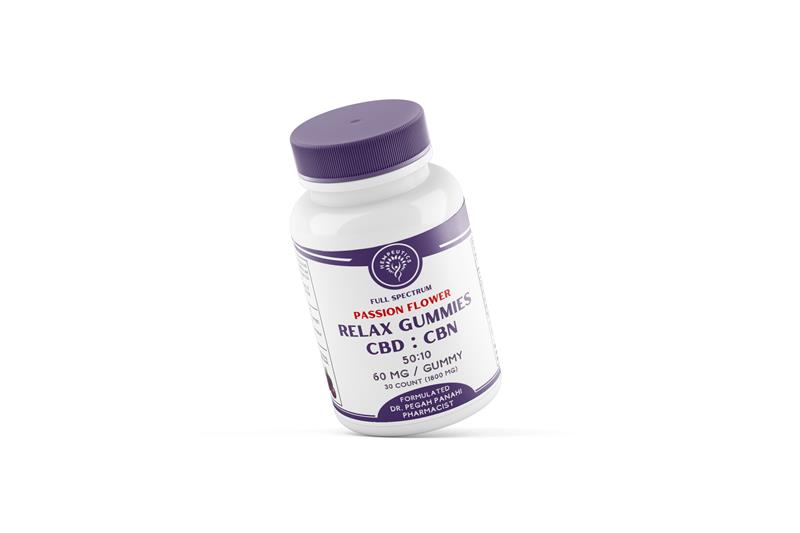
That said, timing, dosage, and formulation matter. What works well for one person may not work the same for another—especially when anxiety and sleep are involved. View our recommended sleep supplements here or, fill out our intake form for personal guidance.
CBD is not a sleep aid you should guess your way through. Factors like body chemistry, sensitivity, existing medications, and stress levels all influence how it may affect you.
That’s why Hempeutics takes a pharmacist-led, personalized approach. Dr. Peggy works with individuals to:
When CBD is used intentionally—alongside healthy evening habits—it can become a supportive tool rather than a trial-and-error experiment.
👉 Fill out the intake form on Hempeutics.com to schedule a free consultation and learn what may work best for your body.